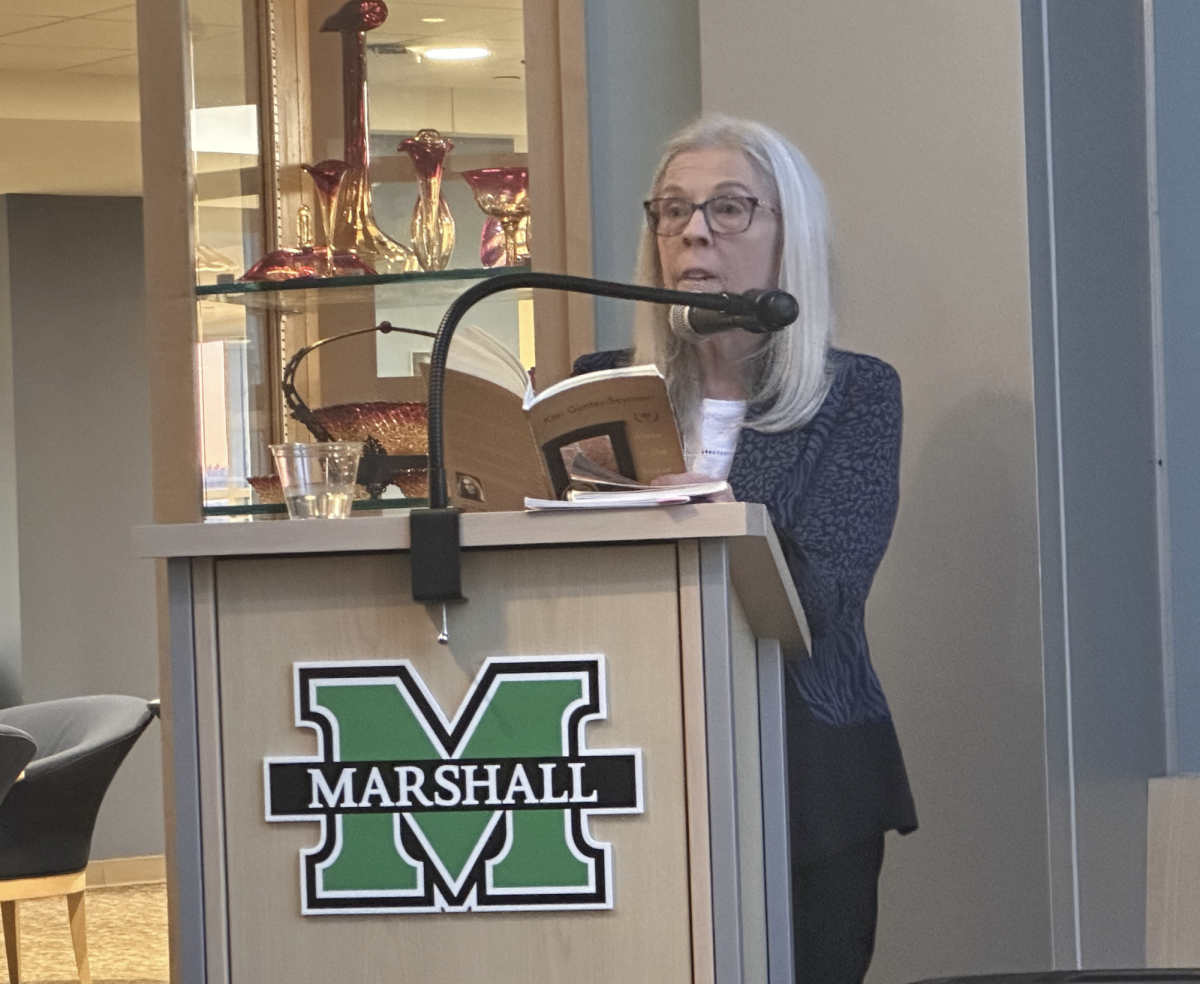
Some people believe stories translated into English need to erase all elements of the original languages they were written in, yet it’s okay to have cultural differences in stories, said a Spanish to English story translator during the “Limits of Language: Creativity in Translational Problems” event Thursday, March 5.
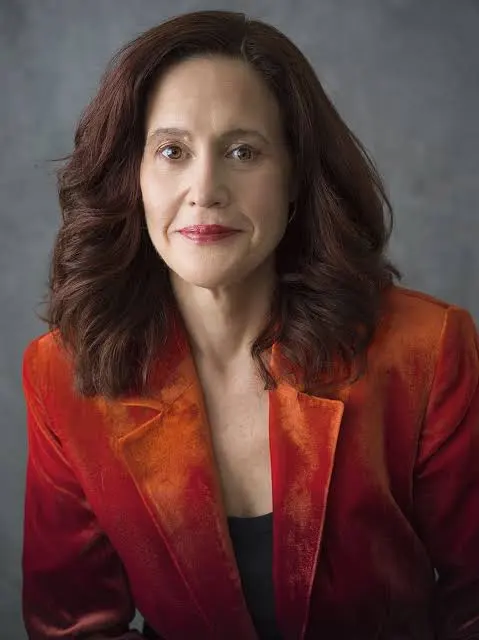
“It’s okay for something to be a little foreign and to leave some of those markers in, taking care to guide the reader’s experience of the text so as not to lose them. The experience doesn’t have to be a totally familiar one,” said Megan McDowell, translator of Latin American literature.
A lot of work has to be done to convey what the original author was trying to tell their readers.
“Translators have to play with language, take the underlying project of the book and translate it with the resources English has to offer,” McDowell said.
“When you’re translating someone, they have to trust you, and you have to trust them,” she said.
The event was organized by the Herd Humanities Program.
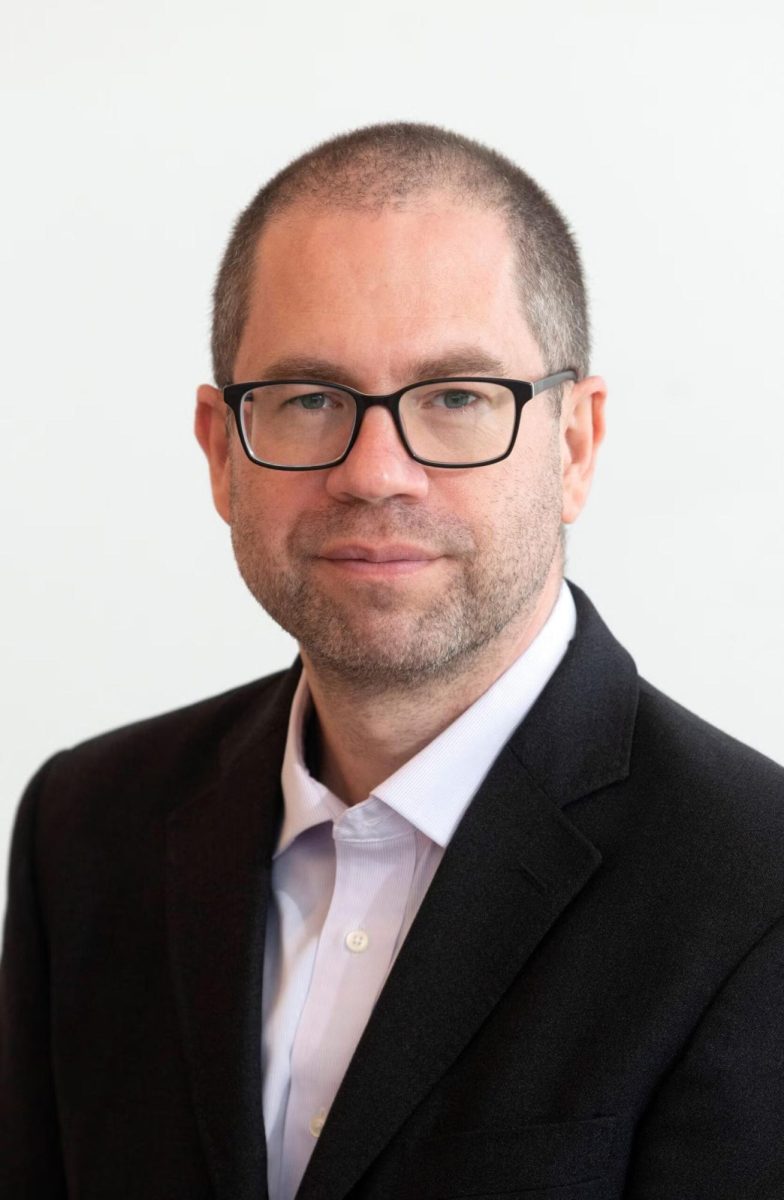
“Megan is giving us a presentation on some of the creative solutions to problems that she encounters in her translations, and there will be a discussion,” said Daniel O’Malley, associate English professor and co-director of the Herd Humanities Program.
“I’ve admired Megan’s work for well over a decade now, and I’m glad that we get to have her on campus because the writers that she works with are some of the most exciting voices in contemporary fiction in the world,” he said.
McDowell interacted with the students by answering their questions and doing a book signing.
“I really appreciate the chance to talk to students about this thing that I love and that maybe they haven’t really thought much about before,” McDowell said.
“I was impressed by the enthusiasm and openness of the students and by the insightful questions they asked,” she said.
The event gave students the chance to hear about McDowell’s life and her success as well as inspiring them to accomplish their goals.
“I’m excited because we don’t have very many opportunities for students to see the kinds of examples of the path that Megan has made for herself – and the world – as somebody who became a translator,” O’Malley said.
“People think about studying literature and being writers or being teachers, but they don’t always think about this other possibility,” he said.
McDowell grew up in Kentucky, which helps her to show students that no matter where you’re from, you can go far.
“Megan, who is from Appalachia, has lived all over the world,” O’Malley said. “She’s an inspiring example of the kinds of things that students could choose to do if they know those possibilities even exist.”
McDowell wanted to inspire students to achieve their dreams and gave them advice.
“When translating, and in life, trust yourself but question everything,” she said.
The event took a while to plan due to McDowell’s busy schedule and her living in Santiago, Chile.
“It’s been just over two years since we started thinking about when this event could happen and getting the logistics together,” O’Malley said.
McDowell’s three main writers that she has worked with since their first publications in English are Samantha Schweblin, Alejandro Zambra and Mariana Enriquez; however, she also works with other authors.
“I’ll be promoting the launch of Brenda Navarro’s ‘Eating Ashes’ next week in New York,” she said.
Amanda Arrowood can be contacted at [email protected].