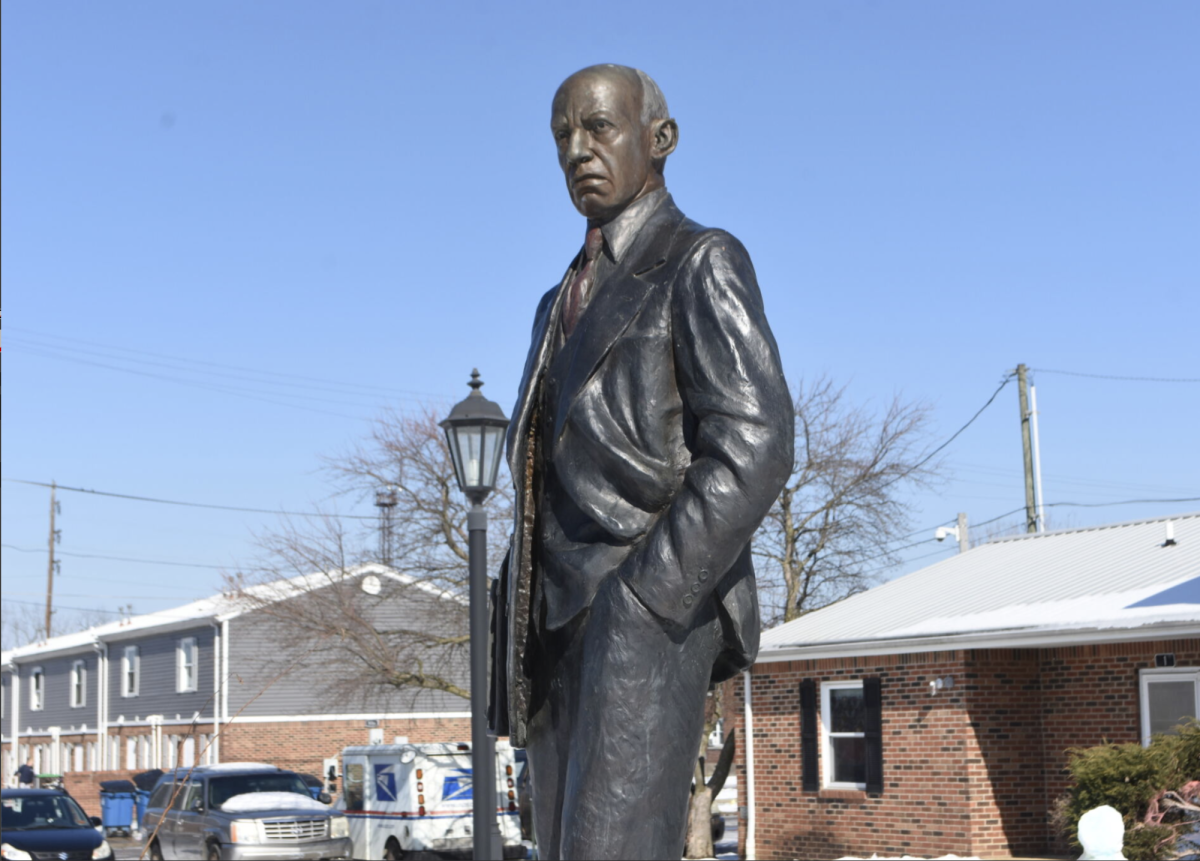
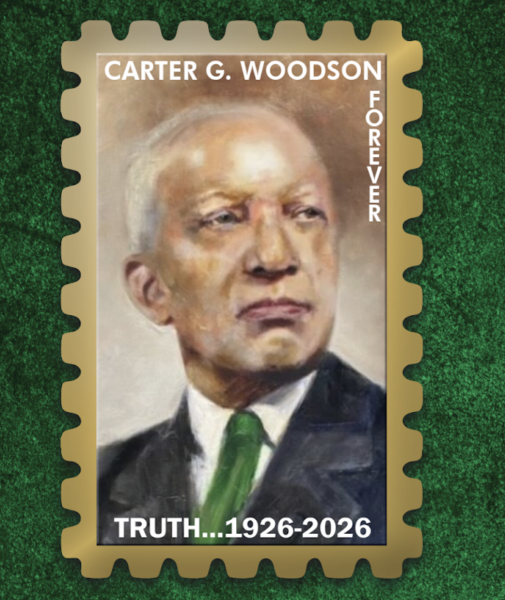
The 2026 Centennial Black History Month is anchored in Marshall’s unique historical ties to Carter G. Woodson, widely recognized as the Father of Black History. Woodson founded Negro History Week in 1926, which later evolved into Black History Month, and spent the formative years of his life in Huntington, West Virginia.
“Woodson is celebrated around the world, but not many people can claim that their university is in the town where Woodson received his high school education, which is pretty cool,” said Burnis Morris, the director of the Carter G. Woodson Lyceum.
Morris said the centennial provides Marshall with an opportunity not only to celebrate Black history, but also to demonstrate its academic leadership and commitment to education: values Woodson championed throughout his life.
“He wanted to be about education, not just celebration,” Morris said. “Black contributions had been left out, and he wanted everyone to understand what they were missing.”
That philosophy is reflected in one of the largest additions to the program: a suite of free online short courses covering a wide range of Black history topics. The courses are open to students, faculty and the public, a direct nod to Woodson’s correspondence courses introduced in the 1920s.
“In 1927, Woodson charged $20 per course, which was a lot of money at the time,” Morris said. “Our courses are free thanks to the support we were able to raise for the centennial.”
The courses include topics such as emerging and retracting civil rights movements, Black historical research methods, Frederick Douglass’ legacy as a journalist and the history of Negro History Week itself. Courses are taught by Marshall
faculty and scholars from other states.
In addition to coursework, the celebration includes expanded competitions, public programming and a multi-day academic symposium. Poster and essay contests were held at both the K-12 and collegiate levels while presentations and performances throughout February aim to highlight Black culture in its many forms.
“When we say Black history, we mean a broad definition,” Morris said. “It includes culture, music and dance, which are things that have all contributed to American society and success.”
A major highlight of the month is a fireside chat featuring John Hope Bryant Wednesday, Feb. 18, at the Joan C. Edwards Playhouse. The Centennial Black History Month Symposium, scheduled for March 5-7, will bring scholars from across the country to present original research.
“The symposium is an extra step that typical students don’t always get to see,” Morris said. “It’s scholar conducting research and presenting their work, and you’ll hear things that you wouldn’t normally hear on campus.”
The symposium’s closing dinner will feature Ollie Watts Davis, professor of voice at the University of Illinois Urbana-Champaign, who will speak and perform alongside a choir of students, focusing on the history of religious music.
Montserrat Miller, executive director of the John Deaver Drinko Academy, said the American Milestone Centennial Celebration reflects collaboration across Marshall University, the Marshall Health system and the city of Huntington.
“This celebration offers an opportunity to commemorate Dr. Carter G. Woodson’s founding of Negro History Week while highlighting Black leadership and the challenges to full equality that remain,” Miller said.
Organizers encourage students, staff and community members to take part by enrolling in the free courses, attending events and engaging with the symposium.
“This is bigger than what we’ve done in the past,” Morris said. “It’s about reconnecting with our past while educating for the future.”
Honoring both the Father of Black History and the centennial, the lyceum has created limited-edition Woodson pins. With only 1,000 pins manufactured, this collectors item can be purchased for $30 through the Association for the Study of African American Life and History, an organization founded by Woodson.
Jimmy John Jacob can be contacted at [email protected].