As students prepare to leave the dorms, many discover living off campus involves much more than signing a lease and moving in. Between hidden costs, confusing contracts and unreliable landlords, first-time renters often face challenges they didn’t anticipate.
One of the biggest issues students encounter is simply not knowing where to begin, according to Shaunte Polk, the director of the Access, Connections, and Engagement (ACE) Center at Marshall, “A lot of students just don’t know where to start,” Polk said. “They don’t know where to go, how much it’s actually going to cost or even the difference between a furnished and unfurnished apartment.”
Polk said location, price and knowing where to start are the three biggest concerns she sees when students are looking to move. Many students expect to find affordable apartments near campus, but options are limited.
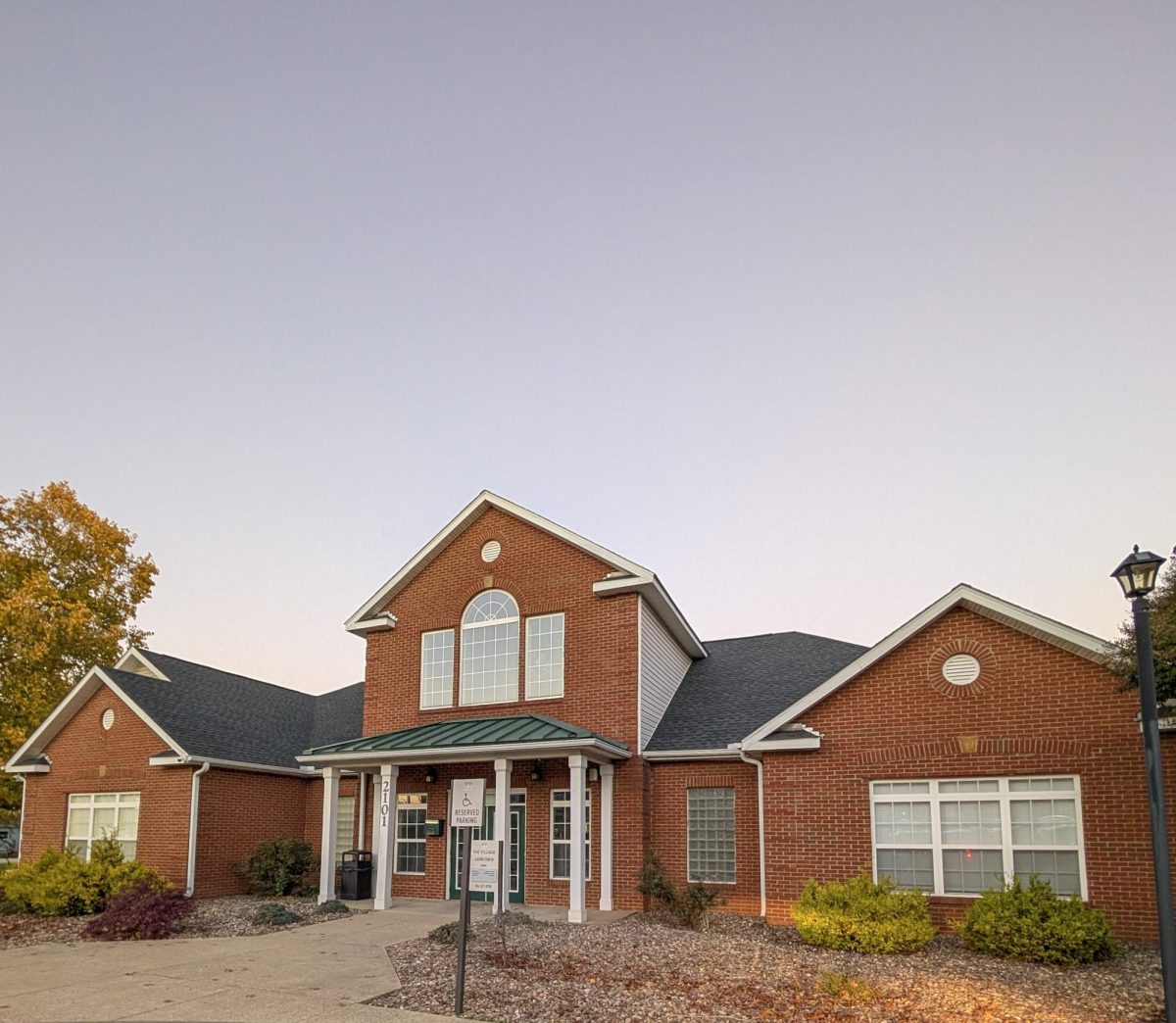
“People think they’re going to find an all-utilities-included apartment close to campus,” she said, “but there are really only one or two buildings like that, and if you’re looking at The Village, people wait a long time to get in.”
To help students navigate these challenges, the ACE Center offers a Life Skills Workshop held once a month to teach essential topics students often wish they’d learned earlier. In April, the center will host a session called “Rent Smarter, Not Harder,” featuring representatives from the West Virginia Housing Authority.
“They’re going to talk about renter’s rights, where to go and what resources are available to help with utilities. All that good stuff,” Polk said.
Polk also shared several red flags that students should watch for before signing a lease.
“If a landlord is trying to get you to sign without reading, that’s a huge red flag,” she said. “Read your lease, and if you don’t understand something, get someone on campus to help you.”
She also emphasized the importance of touring a property in person rather than relying solely on photos or online listings.
“If they won’t let you do a walk-through and just say, ‘Oh, it’s fine, you saw it online,’ that’s a huge red flag,” she said. “You should be able to tour your location and go in there and see.”
Another warning sign is when landlords can’t give clear answers about costs or safety.
“If you come prepared with questions asking like, ‘What do the utilities run in the wintertime versus what they run in the summertime,’ and they’re very vague on that and they don’t know, to me, that’s another red flag,” Polk said. “As a landlord, they should be able to answer these questions.”
When it comes to handling maintenance issues or disputes, Polk advised students to document everything and remain professional in their communication.
“Always have someone with you and always try to document stuff,” she said. “If they don’t want to handle that in a professional manner, get someone else to go with you.”
For first-time renters, Polk’s biggest piece of advice is to plan ahead financially.
“Do a deep dive and make sure you know you’re going to have to be paying for a little bit more than you were in the dorms,” she said. “Budgeting for your first time is knowing the location, knowing the area, scoping out the price range and how close you want to be from campus.”
Polk cautioned that students shouldn’t expect leniency from landlords, even during tough times.
“Landlords don’t care that you’re in school or working two jobs; they want their money,” she said.
Ultimately, Polk believes living off campus can be a rewarding experience if students take the time to prepare.
“Renting can be a great experience or a bad one depending on you,” she said, “so just knowing everything about your place, getting a really good rapport with your landlord and knowing the right people to talk to will help.”
Students interested in learning more about renting and budgeting can attend “Rent Smarter, Not Harder” Saturday, April 18, at noon in East Hall Room 115. The event will also be livestreamed and available for later viewing.
Ella Hatfield can be contacted at [email protected].