When most Marshall University students wake up and head to class, the campus already looks put together. Classrooms are clean, trash cans are empty and hallways are ready for another busy day. What many students don’t see is the work that happens hours earlier or late into the night to make that possible.
Paul Carico, associate director for Facilities and Operations, said, “First thing when I arrive on campus, typically I check my emails and see if anything has happened overnight that we really need to get after, very quickly.”
Behind the scenes are Marshall’s janitors and custodial workers, whose jobs keep the university functioning every single day. Their work often goes unnoticed, but without it, campus life would come to a halt.
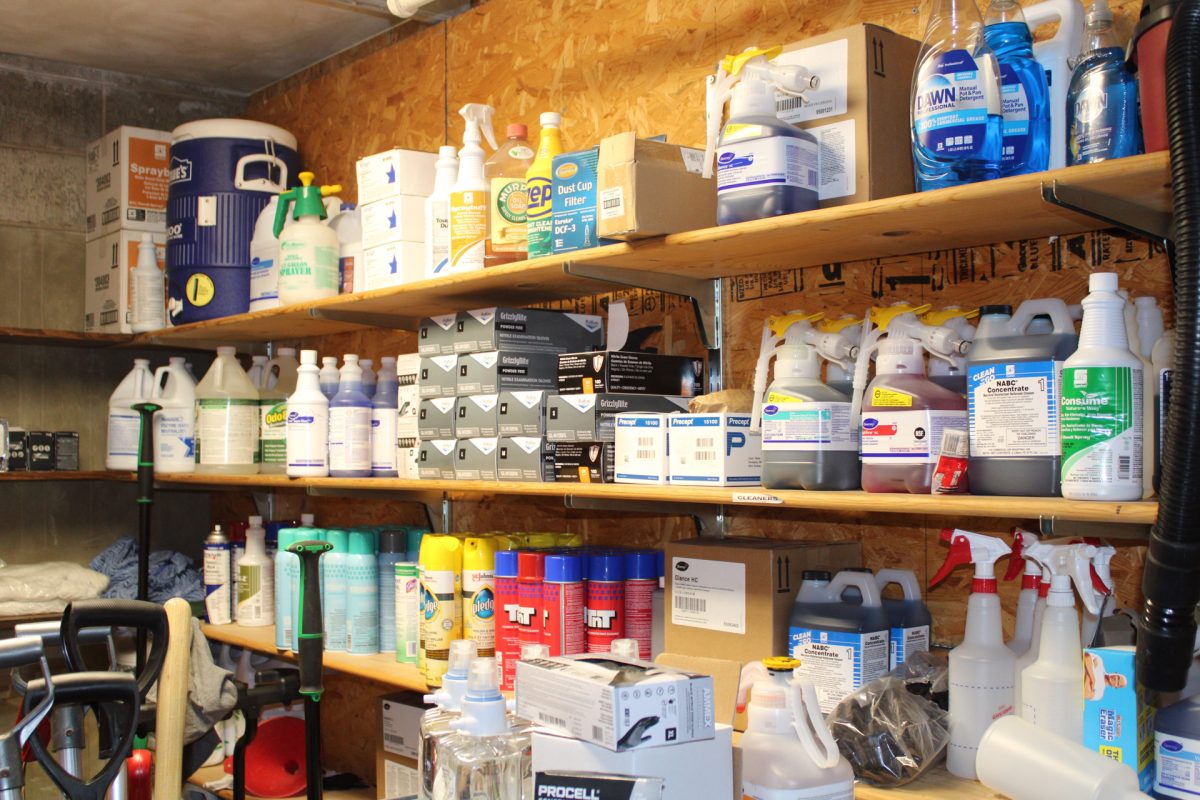
While the campus is still quiet, maintenance and custodial staff move through empty buildings cleaning classrooms, sanitizing restrooms, restocking supplies and preparing spaces that will soon be filled with students and faculty. By the time the first classes begin, much of the work has already been completed.
Although the work can be repetitive and physically demanding, maintenance and custodial staff said it plays an important role in creating a safe and comfortable learning environment. Clean spaces help students focus and allow faculty to teach without distractions.
For many maintenance and custodial staff, the job is about more than just cleaning. It is about taking pride in maintaining a place that serves thousands of people every day.
Bill Black, Marshall project manager, said, “Be there for the people, be seen, talk to people, interact with people and look out for stuff.”
Despite their constant presence on campus, maintenance and custodial workers are often overlooked. Students walk past them in hallways, sit in freshly cleaned classrooms and use restrooms that have been sanitized multiple times a day, often without realizing who made that possible.
Those brief exchanges help humanize a job that is frequently treated as invisible. A simple thank-you or greeting reminds workers that their efforts are noticed.
Black said, “When we get emails and stuff, we share them with our staff. I mean, we just don’t let it go. We share it with every staff member. We will post it up on our bulletin boards and share it.”
Many workers balance their campus jobs with responsibilities outside of work. Some are parents, caregivers or hold additional jobs to support their families. The long hours and physical nature of the job can be exhausting, but workers say consistency and responsibility keep them coming back.
Even on difficult days, they continue to show up often knowing their work will need to be repeated the next day. Classrooms will get messy again, hallways will need to be cleaned again and trash cans will fill again.
Still, there is satisfaction in seeing the campus come to life after their shifts end.
Marshall University promotes a strong sense of community, and workers are an essential part of that identity. While they may not be in classrooms or on the field, their work supports every student, professor and staff member on campus.
Carico said, “The staff we have here that I work with day in and day out are fantastic. We have a lot of fun, you know; we joke around, kid around and, of course, get a lot of work done.”
He said, “I’m a local person. I went to school here. I went off and worked in the private industry for many years, about 25 years, and then had the opportunity to come back here, and it’s almost just like coming back home.”
Most of the Marshall University staff have grown up around the community. Black has worked with Marshall University for forty years.
As students move quickly between classes, practices and meetings, it can be easy to overlook the people who keep the campus running smoothly, but every clean classroom and polished hallway is the result of someone’s time, effort and dedication.
Carico said, “I remember being on campus and some of the challenges that we faced. I had no idea all the stuff that goes on behind the curtain that students know nothing about, so it is very fulfilling to come in and just to have a positive impact on the student experience here on campus.”
The next time students step into a building early in the morning or late at night, they may want to consider who was there before them: the faces behind the Herd.
Haven Steele can be contacted at [email protected].