Early winter can be a wonderful time for many students: Christmas cheer, coziness and the long-awaited winter break. As the holiday spirit wanes, however, winter can develop a dark side. Early nights, cold days, social isolation and a sedentary lifestyle can have critical impacts on mental health.
These factors can be especially impactful for college students who may be isolated from family, friends and under academic stress. In particularly severe situations, students may develop seasonal affective disorder, which can inhibit daily activities.
One measure to prevent these effects is maintaining fitness over the winter months. At a time when many want to fall off their workout routines in submission to the cold and darkness, activities can be especially beneficial. Paula Rymer, professor of social work, recommends exercise as an important way to ward off the winter blues.
“It promotes metabolism, and anything that can help you exert more energy also helps you go to sleep and helps you sleep well,” Rymer said.
When the weather is nicer, outdoor workouts, like running or biking, can expose students to nature and sunlight that can induce levels of serotonin and dopamine: the chemicals that improve mood and mental status.
Outdoor workouts are not always appropriate, however. Extreme cold, wind or precipitation force workouts indoors, where gyms can offer a variety of options: treadmill running, lifting, yoga and etc. Indoor workouts can also improve metabolism and release endorphins that improve cognitive function and sleep.
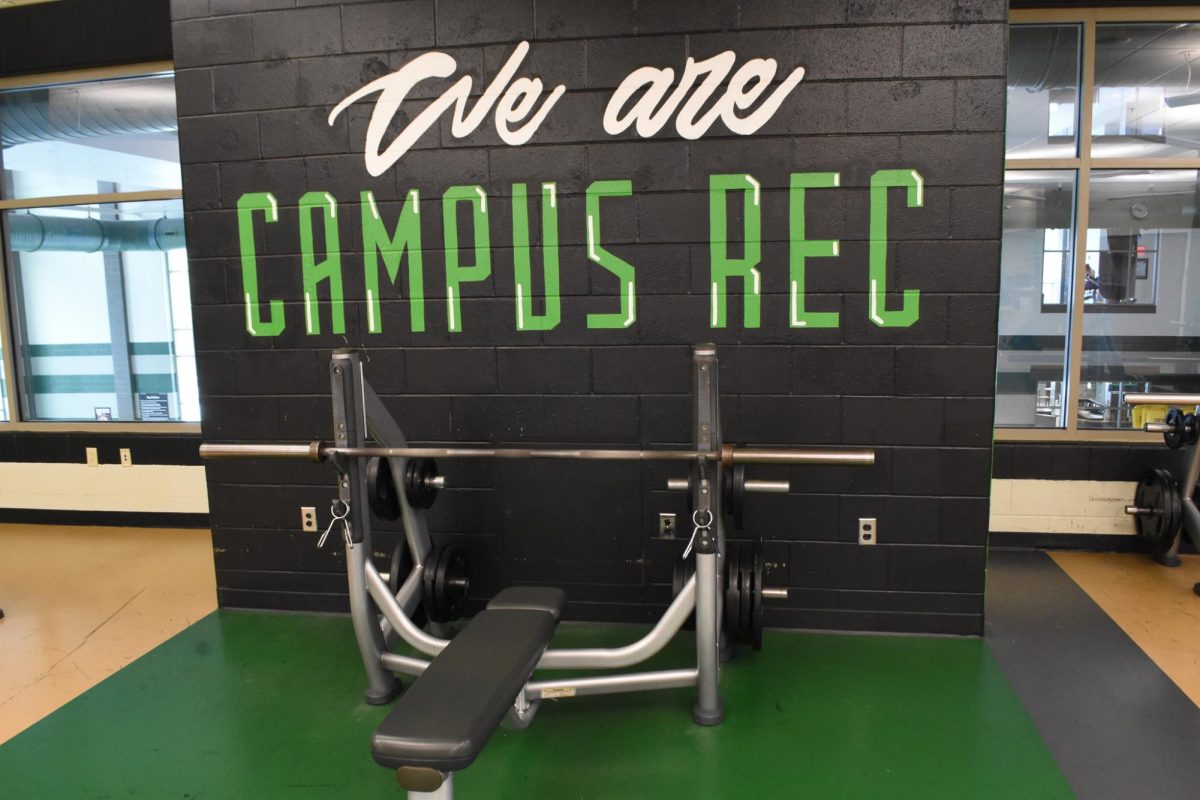
For Marshall students, the Rec Center provides a variety of opportunities for winter fitness. Pickleball, basketball and volleyball are examples of indoor social sports that can increase heart rates and provide a good time with friends.
Not only does the gym provide improvements to metabolism, but also exposes students to light. Absence of sunlight during winter can be a major cause of seasonal affective disorder through lack of vitamin D production.
“If you spend two hours in there, maybe exercising, and that with the combination of the light and the exercise will reduce and help that. It has to be done three to four times a week, probably, to make a great deal of difference,” Rymer said. Her statements are not currently backed by hard studies, but have been researched and supported by the use of light boxes to decrease depressive symptoms.
Another option is fitness classes. The Rec offers several types of classes, including cycling, HIIT style, Pilates and more. They can create an energetic, positive environment for people to tackle their fitness goals with the help of an instructor. Emma Butts, Rec Center fitness instructor of cycling and HIIT classes, has seen an influx of participants in classes since the start of the semester.
“When the semester first started and it wasn’t as icy, I saw a big influx of people coming in, especially to try and hit those resolution goals,” Butts said. The numbers waned significantly with the ice and snow, but she expects attendance to resume once the roads have melted.
“It’s really inspiring to see everybody come in, especially when it’s cold outside and people don’t want to come,” Butts said.
Claire Johnson can be contacted at [email protected].