Picture this: temperatures are well below freezing, there’s a snowstorm on the way and you fear you’ll soon face the common fate of having frozen pipes as the wind grows colder, but when you go to drip your faucets, the water comes out smelling like kerosene.
As your town is placed under a “Do Not Consume” order, you quickly learn to wash your hands, brush your teeth, cook and shower with bottled water. You think to yourself, “Can this get any worse?”
And then, as you approach week three without water and without a word from the state government, your governor appears at your town hall – not to help you, but to make a post on Facebook – and you realize it can, in fact, get worse.
No, this is not the plot to a dystopian science fiction novel; this is the reality my hometown has been living for nearly one month now.
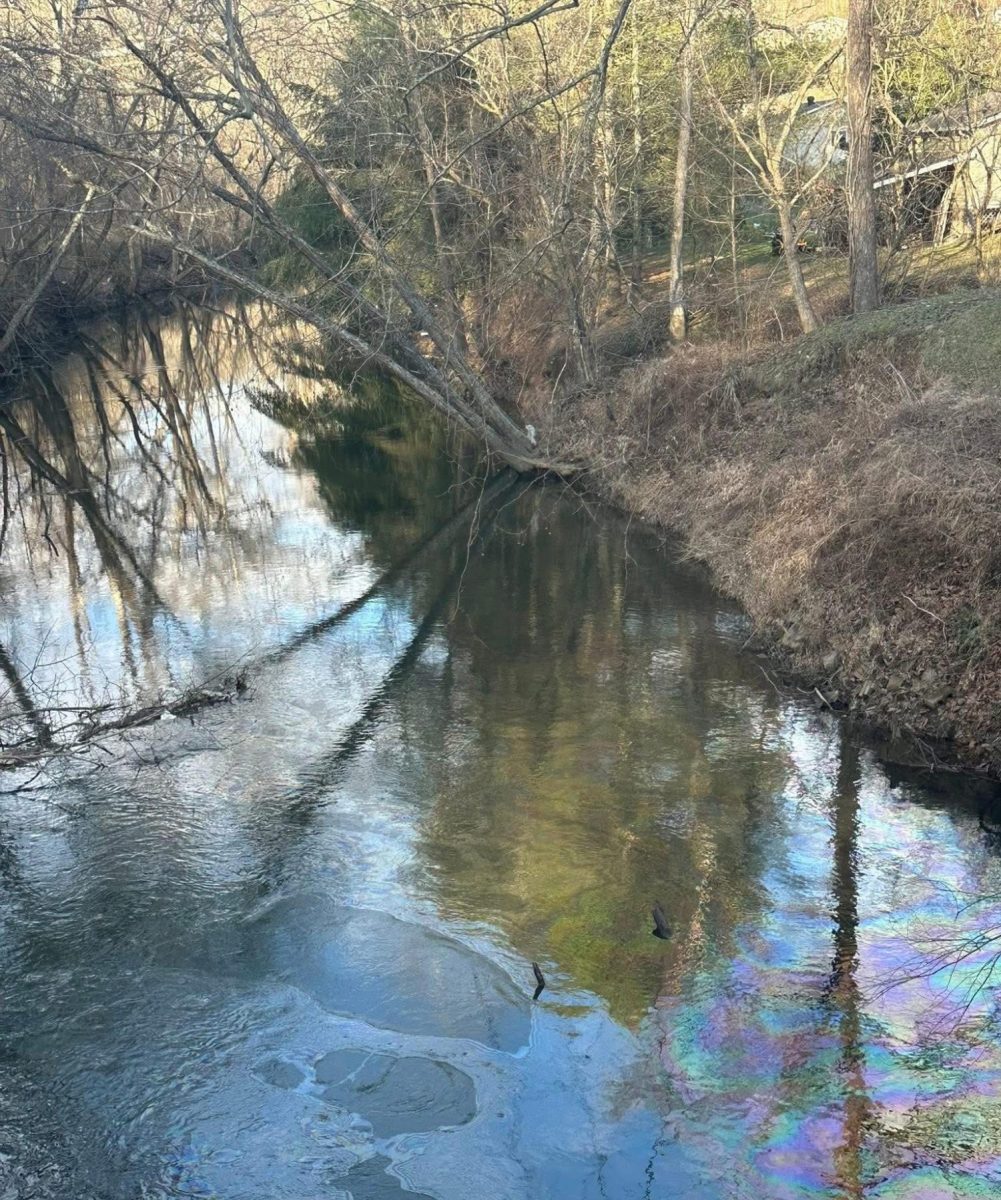
On the evening of Jan. 13, residents of Wayne, West Virginia, began to complain to the local government about a smell of gas in their running water. A few days later, the West Virginia Department of Environmental Protection revealed nearly 5,000 gallons of oil spilled into the town’s water resources after vandalism occurred at an Appalachian Power substation in East Lynn, affecting over 2,000 households.
While I do not know exactly what caused this oil spill , here is what I do know: access to clean water is a basic necessity, not a privilege, yet the people I know and love – including my parents and grandparents – are being forced to live as if it were optional.
In times such as these, our governor and our legislature have had the power to issue a state emergency, giving them “additional power to help protect West Virginians’ health, safety and welfare,” yet they have failed to do so.
While Gov. Patrick Morrisey did make a stop in Wayne Feb. 1, he conveniently did so after national environmental activist Erin Brockovich posted to Facebook Jan. 28, letting Wayne residents know she is “actively working with water expert Bob Bowcock to help get carbon delivered to [their] municipal water treatment facility to assist in filtering oil from the water supply.”
Although Morrisey, in his Feb. 1 Facebook post, said his “team has worked very closely with the Town of Wayne to recover” from the situation, his deputy press secretary, Drew Galang, had nothing to report on these efforts when asked about his involvement at a press conference Jan. 21 in Wayne.
Of course, when Morrisey realized he finally had to make the trip all the way from Charleston to Wayne, he couldn’t do so without making a pitstop at the Cabin Fever gun show in Milton Jan. 31.
And what has our state legislature been doing this whole time? Well, on Jan. 23, Delegate Jonathan Pinson proposed to establish Charlie Kirk’s birthday as an official state holiday with the name “First Amendment Freedom of Speech Day.”
Perhaps if our Constitution had mentioned the freedom of basic necessities, plainly stating our rights to clean water, food or shelter, our state government would enthusiastically have boots on the ground in every one of the state’s small towns.
Unfortunately, Wayne is not unique in its current water crisis. On Saturday, Jan. 31, the WVDEP announced nearly 10,000 gallons of oil had spilled into a Wyoming County water source due to an Appalachian Power substation leak.
Wyoming’s neighboring county, McDowell, is also no stranger to contaminated water. McDowell County, where residents are said to “collect water from roadside springs because it appears clearer than what comes from their taps,” has consistently faced water crises for decades, according to the West Virginia Highlands Conservancy.
In 2022, when 5,000 gallons of oil leaked into the Pond Fork River in Boone County, the WVDEP told WSAZ an act of vandalism to an old transformer substation caused the incident.
In all of these cases, the communities have survived by relying on the help of one another – whether its relatives offering them a place to eat or shower in the next town over or residents paying out of their own pockets for water analysis tests to be sent to labs – and by the investigative work occasionally done by outside activists.
They, most certainly, have not survived by relying on the West Virginia Department of Health and the WVDEP’s lab results, which have sporadically shown no oil in Wayne’s streams despite residents still seeing the oil’s sheen on their waterways and smelling it in their tap water.
The town of Wayne’s promptly delivered, full-priced water and sewer bills for the month of January are the true kickers to the town’s survival, though, and sadly, as residents are left to wonder if they’ll need to replace their hot water heaters and washers in the wake of the water crisis, this could just be the beginning of the expenses for Wayne residents.
West Virginia cannot keep expecting its poorest communities to pay off the debts caused by its largest corporations. If the state government will not give them transparency, the least they can give them is compensation.
Baylee Parsons can be contacted at [email protected].