Marshall’s Athletic Training program is currently celebrating a special occasion.
2025 marks the 40th anniversary of its Athletic Training program, and students and faculty are reflecting on the program’s evolution and the “hands-on” training model that has shaped generations of athletic trainers. The program has grown into a respected path for future health professionals that emphasizes early involvement, real-world experience and strong professional connections.
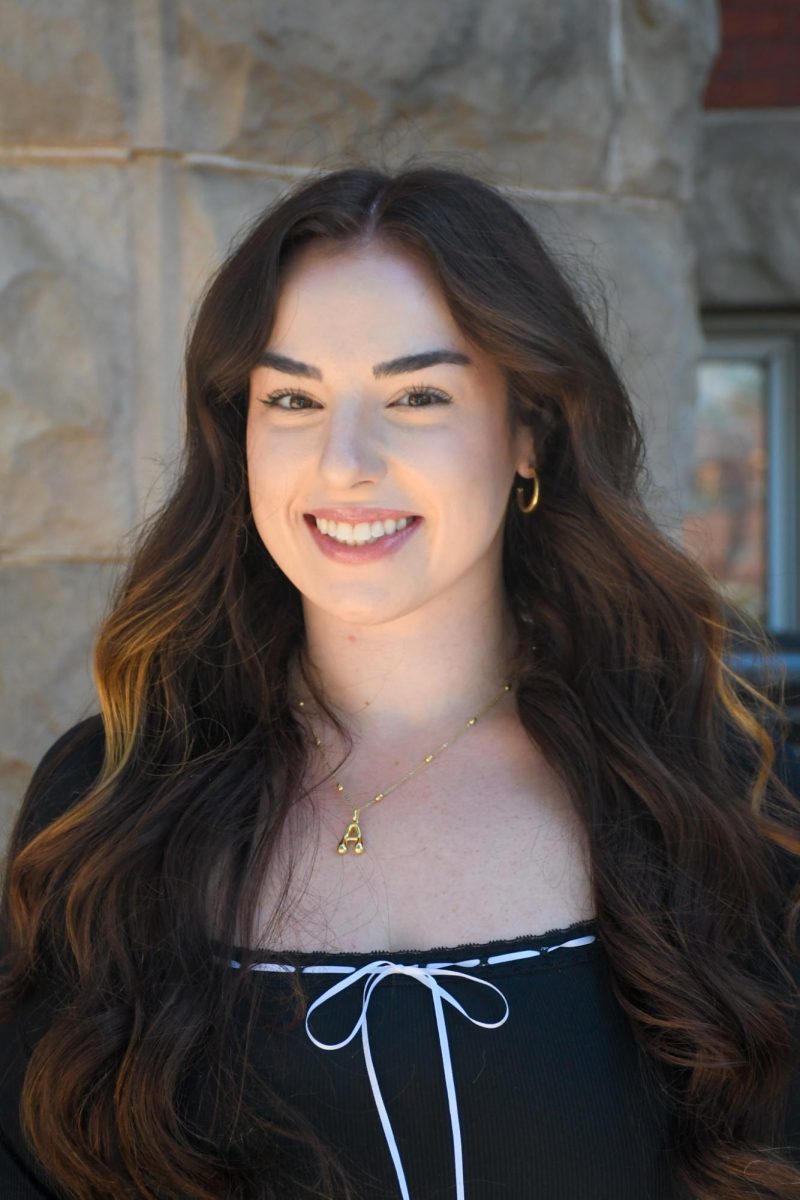
Graduate student Elle Pope, second-year student in the 3+2 program, said the structure and philosophy behind Marshall’s program are what drew her to Huntington from the Washington, D.C. area.
“I love the program because it gets us involved in classes and clinical work really early,” Pope said. “From day one, we’re working with Marshall sports, local high schools or nearby colleges. That early hands-on experience builds confidence and makes the transition into becoming a certified athletic trainer much easier.”
Students enter the program following the summer after their junior year. From there, they move directly into training rooms, sidelines and rehabilitation spaces, rotating through Division I sports and nearby high schools.
“I think just the experiences of working with D1 athletes but also not just sticking to a collegiate form, we have to work with high schools as well,” Pope said. “Seeing that wide variety of high schools here, it very much opens our eyes and, like, broadens our, you know, spectrum of what treating an athlete is like.”
In some West Virginia high schools, access to medical care can be limited. Marshall’s athletic trainers serve as one of the most consistent health resources available to those high school student-athletes.
“The athletic trainer is their medical provider, their person to help them,” Pope said. “If they are sick, it might be more beneficial for the student to go there then try to go somewhere when they may not have insurance or something like that.”
With responsibilities ranging from injury prevention to evaluation and rehabilitation, athletic trainers are often misunderstood. Pope hopes the program’s 40-year milestone helps highlight the true depth of the profession.
“The role of an athletic trainer, we like to say, is a jack of all trades,” Pope said. “If somebody is post-surgery, we’re helping them through it. If someone sprains an ankle, we’re there from the beginning to the end.”
The profession has advanced significantly during the program’s 40-year history, including shifting from a bachelor’s-level credential to a required master’s degree.
“We work directly with athletes and alongside doctors and physical therapists, so raising expectations makes sense,” Pope said.
Marshall’s program, too, has grown. Pope’s cohort includes 16 students, while the class behind her has 23, which shows increasing interest and recognition and allowing more chances for networking opportunities.
“Once you know someone in athletic training, you know everyone,” Pope said. “Those connections make finding jobs easier than in many other professions.”
Looking ahead, Pope hopes the next 40 years bring more partnerships, expanded externship opportunities and continued national visibility.
“I hope the program continues to grow, not just in size, but in opportunities,” Pope said. “Broadening those horizons will help future athletic trainers succeed.”
Nate Harrah can be contacted at [email protected].